

impact of temperature on RF circuit boards
Temperature is one of the most significant environmental factors influencing the performance and reliability of Radio Frequency (RF) circuit boards. As RF circuit boards are widely used in applications ranging from telecommunications to automotive and consumer electronics, understanding how temperature affects their functionality is crucial to ensure optimal performance. The impact of temperature on these circuit boards can be far-reaching, affecting signal integrity, component reliability, and overall system stability.
The most immediate effect of temperature on RF circuit boards is on the electrical performance of the materials used in their construction. RF circuit boards are typically made from materials such as copper, fiberglass, and various polymers, which have specific thermal properties. When the temperature increases or decreases, these materials expand or contract. This can lead to changes in the impedance of the circuit, which in turn affects the signal transmission. Impedance mismatches can result in signal reflections, attenuation, or distortion, causing a degradation in the quality of the RF signals. For systems that rely on precise signal timing and high-frequency performance, even minor changes in impedance can cause significant issues, such as increased error rates or system failure.
Thermal expansion and contraction can also put mechanical stress on the rf circuit board, potentially leading to physical damage. For example, when the temperature fluctuates rapidly, the different materials in the circuit board may expand and contract at different rates, leading to warping or cracking. This mechanical stress can cause the solder joints, which connect the components to the board, to weaken or crack, leading to potential circuit failures. In high-power RF applications, such as transmitters or power amplifiers, where the circuit board can heat up significantly during operation, this effect becomes even more pronounced. As a result, thermal management solutions such as heat sinks or thermal vias are often incorporated into the design of RF circuit boards to dissipate excess heat and maintain stable operating temperatures.
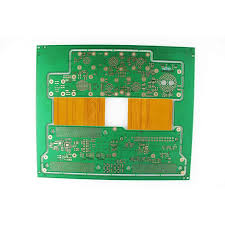
What is the impact of temperature on RF circuit boards?
Another significant impact of temperature on RF circuit boards is on the performance and longevity of the electronic components mounted on the board. Components such as capacitors, resistors, inductors, and semiconductors are all sensitive to temperature changes. As the temperature rises, the resistance of certain components can change, altering the performance characteristics of the circuit. For instance, the capacitance of a capacitor may decrease with increased temperature, affecting the timing and filtering characteristics of the circuit. In addition, high temperatures can accelerate the aging process of components, leading to a reduction in their lifespan. This is especially critical in applications where reliability is paramount, such as in military or aerospace systems.
Temperature fluctuations can also have an effect on the power handling capacity of RF circuit boards. When the board operates at higher temperatures, the power dissipation of the components increases, which can lead to thermal runaway if not properly managed. This phenomenon occurs when the heat generated by the components causes further heating, resulting in a cycle of increasing temperatures that can damage the board or cause it to fail completely. Effective thermal management strategies, such as the use of thermal vias, heat spreaders, and proper ventilation, are necessary to mitigate the risk of thermal runaway and maintain safe operating temperatures.
In conclusion, temperature plays a critical role in the performance and reliability of RF circuit boards. Fluctuations in temperature can affect the electrical performance of the circuits, lead to mechanical stress and physical damage, and reduce the lifespan of components. To ensure that RF circuit boards function optimally and reliably, it is essential to incorporate effective thermal management solutions and design strategies that account for the impact of temperature. Proper temperature control not only enhances signal integrity and system stability but also extends the operational life of the RF circuits, making them more dependable for long-term use in various applications.

