

How Does HDI PCB Enhance Thermal Management?
In modern electronics, the demand for higher performance and miniaturization is continuously growing. As devices become smaller and more powerful, the need for effective thermal management becomes crucial. One technology that is playing a vital role in improving thermal efficiency is HDI PCB (High-Density Interconnect Printed Circuit Board). HDI PCBs are designed to manage the thermal challenges faced by compact electronic systems, ensuring longevity and optimal performance.
Understanding HDI PCB
An HDI PCB is characterized by a high level of circuit density achieved through advanced manufacturing techniques such as microvia drilling, thinner laminates, and tightly packed layers. The compact design allows for more complex and densely packed circuitry within a smaller footprint, which is especially beneficial for mobile devices, consumer electronics, and automotive applications. However, with the increase in density and functionality, heat dissipation becomes a critical factor to consider in hdi pcb design.
Thermal Challenges in Electronics
As electronic devices perform more tasks in smaller spaces, they generate significant amounts of heat. If this heat is not efficiently dissipated, it can lead to overheating, which affects the performance, reliability, and lifespan of the components. This is particularly concerning in high-performance applications where excessive heat can cause malfunctions, system crashes, or even permanent damage to the electronic components.
Traditional PCBs, while effective, may not offer the level of heat dissipation required by modern devices. This is where HDI PCB comes into play, providing superior thermal management solutions due to its design and material properties.
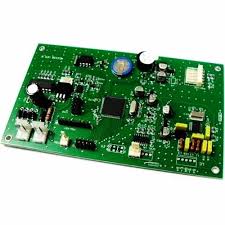
How HDI PCB Enhances Thermal Management
Increased Layer Density and Efficient Heat Distribution
One of the most significant advantages of HDI PCB is its high-density structure. By utilizing multiple layers, HDI PCBs can distribute heat more efficiently across the board. The additional layers create pathways that allow heat to travel away from heat-sensitive components, ensuring that heat is not concentrated in one area. This results in more balanced and effective heat dissipation.
Use of Thermal Vias and Microvias
Thermal vias and microvias are key elements in HDI PCB design. Microvias are extremely small holes that connect different layers of the PCB, which can be used to transfer heat from high-temperature areas to other layers of the board where the heat can be dissipated more efficiently. The use of thermal vias in HDI PCB designs ensures that heat is directed toward areas with better thermal management, such as copper planes that act as heat sinks.
Copper and Thermal Materials
The material selection for HDI PCB is crucial for effective thermal management. Copper, for example, is an excellent conductor of heat. By incorporating copper planes into the layers of the HDI PCB, heat can be efficiently spread across the board. Additionally, other advanced materials that have high thermal conductivity can be used in combination with copper to enhance the overall thermal performance of the board.
Compact Design for Efficient Heat Flow
HDI PCB’s compact design and optimized layout also contribute to better thermal performance. The smaller components on the PCB are placed closer together, which allows for a more direct flow of heat to the areas where it can be dissipated effectively. This compactness reduces the distance heat must travel, improving overall thermal efficiency and helping maintain the desired operating temperature.
Improved Reliability and Longevity
Effective thermal management extends the lifespan of electronic devices by preventing overheating, which can degrade the performance of sensitive components. The advanced thermal solutions offered by HDI PCB help maintain stable operating temperatures, reducing the risk of thermal stress and ensuring that the device performs optimally over time.
Conclusion
The increasing need for high-performance, compact electronics makes HDI PCB an essential technology for managing thermal challenges. By offering improved heat distribution, microvias for efficient heat flow, and the use of advanced materials, HDI PCBs provide the ideal solution for maintaining optimal temperatures in modern electronic devices. As technology continues to evolve, the role of HDI PCB in thermal management will only become more critical in ensuring the reliability and longevity of electronic products.

