

flex PCB suppliers
In the field of electronic manufacturing, rigorous testing and quality control procedures are essential to ensuring functionality and adherence to specifications. This is particularly true for high-speed electronic circuits, including those implemented on Flex PCBs. To mitigate signal integrity challenges, it is important to use specialized test equipment and conduct thorough simulations during design.
Rigid flex circuits are used in a wide range of industries due to their unique physical and electrical properties. Their thin substrates provide flexible and conductive paths and they can be bent or molded into a variety of shapes, making them ideal for portable and compact electronics, such as smartphones, tablets, and wearables. They are also used in medical devices such as diagnostic equipment and implantable medical devices. In addition, they are frequently employed in the automotive industry for their weight-saving benefits and in aerospace and defense applications, such as in avionics and spacecraft.
flex pcb supplier have a base substrate made from either polyimide or FR4, with ultra-thin rolled annealed copper foil laminated on top. This copper layer is patterned using lithographic processes to create conductive paths or traces, and it is typically covered with a protective coverlay. This combination provides the circuits with the flexibility, tensile strength, and physical flexibility required for flexible circuits, while keeping their electrical performance intact.
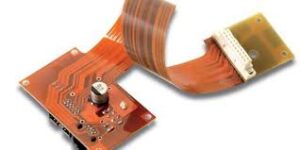
How do flex PCB suppliers ensure environmental compliance?
The thickness of the copper foil varies, and it is important to choose the right material for your specific needs. A good rule of thumb is to select the thinnest option that meets your current-carrying requirements. Additionally, it is important to keep the drill-to-copper distance at least 8 mils to ensure accurate layer alignment. This is especially important in flex PCBs, as they have more movement and contraction than rigid boards, so it helps prevent the copper from cracking and breaking off.
A reputable flex pcb supplier will offer multiple processing options to meet the requirements of your application. This includes Laser Direct Imaging (LDI), automatic optical inspection (AOI), and plasma etching, among others. These technologies allow for precision in the creation of circuit patterns and the removal of unwanted material. They are also key to achieving higher etch yields and smaller traces, which increases the overall efficiency of the flex PCB production process.
Finding a manufacturer that offers a range of processing options and the ability to scale up to large production runs is critical. This will allow you to avoid unnecessary delays in the manufacturing process and reduce your total cost of ownership. By choosing a flexible circuit board manufacturer that can deliver on your specific requirements, you will be able to bring your product to market sooner and gain a competitive advantage in the industry.
