

printed circuit boards manufacturers
Printed circuit boards (PCBs) are at the heart of nearly every electronic device, and ensuring their security throughout the manufacturing process is critical. Printed circuit boards manufacturers must adopt a range of security measures to safeguard their designs, prevent counterfeiting, and ensure that the end products meet the highest standards of reliability and safety. As the demand for advanced electronics grows, the need for robust security practices in PCB manufacturing has become more pressing.
One of the primary concerns for printed circuit boards manufacturers is intellectual property (IP) protection. The designs for PCBs often contain valuable proprietary information that can be easily replicated or stolen if not properly secured. To protect against IP theft, manufacturers use a variety of methods, including encryption and secure design software that limits access to sensitive design files. Additionally, many manufacturers implement strict access controls, ensuring that only authorized personnel have access to the designs and production processes. These measures help prevent unauthorized copying or alteration of the PCB designs, which could compromise the integrity of the final product.
In addition to IP protection, printed circuit boards manufacturers also focus on safeguarding their production facilities from physical and cyber threats. Physical security measures often include surveillance cameras, secure access points, and personnel screening to prevent unauthorized individuals from entering the facility. These precautions help reduce the risk of sabotage or theft of materials and equipment that could compromise the manufacturing process. On the cyber front, manufacturers implement advanced cybersecurity protocols to protect sensitive data from hacking or cyberattacks. This includes firewalls, encryption, and multi-factor authentication to secure communication and data storage systems.
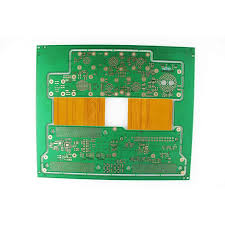
What security measures do printed circuit boards manufacturers use?
Another critical security concern for printed circuit boards manufacturers is the risk of counterfeit components entering the supply chain. Counterfeit PCBs and components can severely impact product performance and safety. To mitigate this risk, manufacturers implement rigorous supply chain management systems that track the origin of every component used in the production of PCBs. They also work with certified suppliers and perform detailed inspections and testing to ensure that components meet the required specifications. Additionally, many manufacturers employ serial number tracking and authentication methods, such as QR codes or holograms, to verify the authenticity of each PCB and its components before they are shipped to customers.
Quality control is another important aspect of security in PCB manufacturing. Printed circuit boards manufacturers employ advanced testing techniques, such as automated optical inspection (AOI) and X-ray inspection, to detect defects or irregularities in the PCB designs that could affect performance. These testing procedures help identify issues early in the production process, ensuring that only fully functional and secure PCBs make it to the market. Manufacturers also conduct extensive reliability testing to verify that the PCBs will function safely and effectively over time, even under extreme environmental conditions.
Finally, printed circuit boards manufacturers must stay compliant with industry standards and regulations related to security. Many manufacturers adhere to international standards, such as ISO 9001 for quality management and ISO/IEC 27001 for information security management. By following these standards, manufacturers can demonstrate their commitment to security and ensure that their processes meet global best practices for safeguarding sensitive data and materials.
In conclusion, the security measures employed by printed circuit boards manufacturers are multifaceted and essential to ensure the integrity of the products and protect against various risks. From intellectual property protection to cybersecurity, counterfeit prevention, and quality control, these measures help maintain the reliability and safety of PCBs and secure the manufacturing process from potential threats. As the electronics industry continues to evolve, the importance of robust security practices will only continue to grow.


