

importance of flexibility in PCB rigid flex
In the PCB world, rigid flex is a type of hybrid circuit board used in high-reliability, high-density applications. Rigid flex offers unique benefits that make it an excellent choice for complex designs with strict reliability requirements, like medical imaging equipment, military missile guidance systems and advanced automotive electronics. However, the higher cost of rigid flex can be a turnoff for some companies and designers, particularly when it comes to low-volume production and prototyping. To help mitigate this obstacle, it’s important to understand what flexibility is and how it impacts PCB costs, and how to optimize rigid flex designs for the best results.
While it is true that rigid flex boards are generally more expensive than traditional hardboards, the long-term reliability and functionality they deliver can offset this initial investment. For example, the hybrid design of rigid flex boards enables greater component density and increased functionality in smaller spaces while maintaining structural integrity for improved reliability and signal quality. In addition, rigid flex boards can reduce the overall system weight, making them ideal for highly rugged applications where shock and vibration may damage or even destroy conventional PCBs.
The hybrid design of pcb rigid flex also offers additional mechanical stability that improves resistance to vibration and stress, minimizing the risk of fatigue or cracking in harsh environments. Additionally, the flexibility of flex sections reduces the overall board weight, further contributing to reduced system weight and increased space efficiency. The hybrid structure of rigid flex also makes it more durable against high temperatures, increasing its longevity in demanding environments.
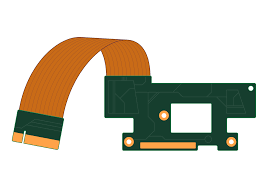
What is the importance of flexibility in PCB rigid flex?
Another way in which rigid flex PCBs can save cost is by eliminating the need for connectors. As a result, the circuit board design can be simplified, reducing manufacturing time and saving on assembly expenses. In addition, the use of a rigid flex PCB eliminates the need for wire harnesses that take up valuable space in the enclosure, leading to reduced maintenance costs and increased reliability.
Rigid flex PCBs are designed in 3D, offering increased spatial efficiency and allowing for the manipulation of the flexible area to achieve desired product shapes. This allows for better integration of components and improved functionality in a compact and rugged package, making them ideal for miniaturized electronic devices. In addition, the plated through holes (PTH) on rigid flex boards allow for mounting components to both sides of the board, further maximizing the use of space in a compact electronic assembly.
To reduce the upfront cost of rigid flex, it’s important to minimize layers and design for maximum panel utilization. This can be accomplished by using design tools that offer a full layer stack manager with a graphical representation of the layer stack and linkage between rigid and flex areas.
It’s also important to avoid creating holes on flex sections that are prone to bending, as this can cause unwanted interference and reduce the strength of the circuit board. In addition, it’s important to minimize the thickness of flex sections to reduce the cost of materials and assembly. Finally, it’s essential to utilize a rigid flex circuit board manufacturer with the right expertise and equipment to ensure the highest quality and performance of the finished product.


