

pcb board assembly manufacturing
A pcb board assembly manufacturing is the process of putting all of the electronic components on a bare circuit board to make it functional and ready for use in an electronic device. It involves a number of delicate and highly precise steps to ensure that the finished product works correctly. It also requires adherence to strict quality standards in order to avoid issues like malfunctions or short lifespans. In addition, pcb board assembly manufacturing should always be conducted by a trusted PCB manufacturer that has a solid track record in the industry.
The pcb board assembly manufacturing process begins with the creation of the PCB layout by engineers. They take into account various factors, such as signal integrity and power distribution to create an efficient layout that will meet the needs of their clients. This is then turned into a set of output files, including Gerbers and netlists that will be used for the fabrication of the bare circuit board.
Once the bare circuit board has been fabricated, it will undergo a series of inspections and testing to identify any potential defects or issues that could impact production. In-process testing can include visual inspections, as well as electrical and functional testing to ensure that the final product meets all applicable standards and requirements.
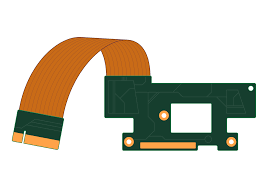
What is a pcb board assembly manufacturing?
Following the inspection and testing phases, the pcb will be sent on a conveyor belt to robotic pick and place machines that add surface mount components. These machines use advanced technology that enables them to precisely place small leadless components, such as resistors, capacitors, and transistors, onto the bare circuit board. In addition, they can also be used to place more sensitive through-hole components that need to be plugged into holes on the circuit board.
After the component placement has been completed, the pcb will then be subjected to a reflow soldering process. This process uses heat to melt the solder paste, which creates reliable electrical connections between the components and the circuit board. JLCPCB uses an appropriate reflow oven that can assemble multiple boards at the same time, which helps to increase productivity and efficiency in their assembly line.
Printed Circuit Board (PCB) assembly manufacturing is a critical process in the electronics industry, enabling the mass production of complex electronic devices. It involves mounting electronic components onto a PCB to create functional circuits. This process combines precision engineering, advanced technology, and quality control to ensure the final product meets stringent performance and reliability standards. As devices become smaller and more sophisticated, the demand for efficient and accurate PCB assembly manufacturing continues to grow.
In the future, the pcb board assembly manufacturing industry will see several advancements that will enhance the quality and reliability of electronic products. For example, intelligent machine learning algorithms will be able to use data collected from inspection procedures to identify patterns and anomalies with unprecedented accuracy. In addition, interconnected IoT devices will enable real-time monitoring of equipment performance and production metrics to optimize production workflows and drive efficiency. This will help to reduce downtime, maximize output, and deliver high-quality electronic products to consumers.


