

deep clean wood floors
Even with daily sweeping and regular mopping, dirt and grime can build up in hard-to-reach places on wood floors. Periodic deep cleaning helps to treat this build-up and remove it, leaving your hardwoods gleaming. Regularly using a high-quality indoor broom, vacuum cleaner with a brush attachment or dust mop and choosing the right cleaning solutions for your type of flooring are key to preserving the beauty and longevity of wood floors.
Invest in a microfiber mop and you’ll be able to achieve more efficient cleaning with less effort. Unlike conventional cotton or sponge mops, which can leave residue on your floors, the fibers in a microfiber mop grab onto and lift dirt to leave your hardwoods clean and streak-free. To get the most out of your mop, saturate it with a cleaner that’s safe for your How to clean Wood Floors (or check with your manufacturer). Saturate only enough to make it damp, not soggy or dripping wet, as excess moisture can cause warping and damage your floors.
Use a pH-neutral hardwood cleaner for your wood floors that’s specially designed for the type of finish or wax you have on your floor. Avoid acidic or alkaline cleaners; they may discolor your floors and some are abrasive, which can scratch the surface of your hardwoods.
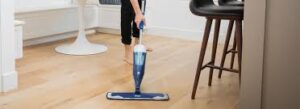
How to deep clean wood floors?
A natural cleaner that’s safe for many types of flooring is white vinegar. Add equal parts water to the vinegar and a few drops of liquid soap or essential oil, and mix thoroughly. Before using, spot test the vinegar solution on an out-of-the-way area to see if it’s safe for your wood floor. Vinegar is acidic and could damage some modern surface seals, including polyurethane, or could damage unfinished or natural wood.
Stubborn stains like crayon marks, chewing gum or candle wax can be tough to remove from wood floors. To remove the marks, rub them gently with a clean cloth and then buff the floor dry with another soft cloth. If the stain persists, a professional can help you remove it without damaging your floors.
Scratches and scuffs are inevitable, especially on wood floors in high-traffic areas of the home. However, by covering scratches with crayon and putting doormats at exterior doors and inside the house to reduce the amount of dirt and grime that gets tracked in, you can minimize the number of times your wood floors need to be professionally cleaned or refinished.
Preventing scratches on your hardwood floors isn’t difficult. Place a doormat inside and outside each exterior door, put down rugs in high-traffic areas, and keep household pets off the floors as much as possible to minimize scuffs and scratches. Ingrained dirt can also be minimized by scrubbing your wood furniture with a soft, dry brush and then wiping the surface of the piece with a soft cloth. If the wood needs a deeper cleaning, you can also use a small amount of mineral spirits or acetone sparingly to sanitize and polish your furniture.


