

Rigid-Flex Printed Circuit Boards
Rigid-flex circuits combine rigid and flexible areas in one package. This unique feature offers a range of benefits like dynamic stability, easier installation, and cost savings. It can even reduce overall system weight. However, despite the advantages of rigid-flex, the fabrication process is complex and requires special equipment to ensure the quality of the boards. This is why you should choose a company that has the experience and the proper technology to design, manufacture, and assemble rigid-flex printed circuit boards for your application.
rigid-flex printed circuit board are used in aerospace systems, wearables, foldable devices, and medical products. They are designed to accommodate mechanical stress from bending or folding, and they provide thermal stability and reliability. They are also more durable than traditional rigid PCBs, making them ideal for harsh environments. They can also help you cut down on assembly time and costs, thanks to their smaller footprint.
Choosing the right rigid-flex materials can make a significant impact on your rigid-flex design. These materials must be compatible with the rigid and flex areas of the board, as well as the electrical requirements of the circuit. Depending on your design, you can use a variety of rigid-flex materials, including polyimide (PI), polyester, and a combination of copper and glass. Rigid-flex circuit boards that are made from these materials can handle a wide range of temperatures, from -40°C to +260°C.
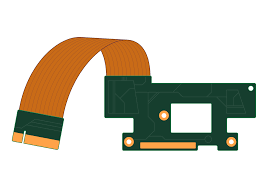
Can Rigid-Flex Printed Circuit Boards Handle High Temperatures?
The design of your rigid-flex PCB is important to the success of your product. The rigid sections of your circuit should be able to withstand repeated flexing and bending, while the flex areas must be able to handle high temperature changes. To achieve these requirements, you can use a number of design techniques. For example, you can increase the thickness of the flex area, incorporate conductive traces with wider widths, and use an alternative plating method. You can also use a cross-hatched copper layer instead of a solid one, which increases flexibility while offering better shielding capabilities.
Another way to improve your rigid-flex design is by using a loose-leaf construction method. This is a technique that allows you to keep the flex layers separate from the rigid layer stack-up and helps you to address manufacturability challenges. The resulting rigid-flex circuit will be stronger, more resilient to flexing and bending, and can support higher layer counts with controlled impedance.
You can also improve the flexibility of your rigid-flex PCB by eliminating unused space. This can reduce the amount of material that must bend and flex, which in turn decreases the amount of resistance that must be overcome to bend it. In addition, you can also minimize the flex-to-rigid transition by inserting cutouts or slots in the corners of the flex area.
While there are many different rigid-flex and flex circuit boards on the market, not all of them offer the same level of functionality and quality. It is important to choose a PCB manufacturer that has the experience and capability to produce rigid-flex printed circuit boards, as they will be able to handle the design and manufacturing process with ease and confidence. In addition, a reliable PCB manufacturer will be able to provide detailed quotes and estimates. This will allow you to budget your project and plan ahead for any potential costs.