

Can 3mm plywood be painted or stained easily?
3mm plywood is a versatile material widely used in furniture making, construction, and interior decoration. Known for its smooth surface finish, strength, and resistance to moisture, it is often chosen for its durability and flexibility in various applications. One of the key questions when working with 3mm plywood is whether it can be easily painted or stained to achieve the desired finish. The good news is that 3mm plywood can indeed be painted or stained with relative ease, provided the proper techniques and materials are used. Let’s explore the process and tips for achieving the best results when finishing 3mm plywood.
1. Preparing the Surface for Painting or Staining
Before applying any paint or stain to 3mm plywood, it’s crucial to prepare the surface properly. Plywood can have small imperfections, rough patches, or even residual adhesive on its surface, which can interfere with the smooth application of finishes. To prepare, start by sanding the 3mm plywood with a medium-grit sandpaper (around 120-grit) to smooth out any rough spots. Follow up with a finer-grit sandpaper (around 220-grit) to create a smooth, even surface. Sanding helps ensure that the paint or stain adheres better and provides a more polished final look.
For painting, it is especially important to remove any dust from sanding using a tack cloth or a damp rag. This ensures that the surface is clean and free of particles that could disrupt the painting process. If you plan to stain 3mm plywood, consider applying a wood conditioner first. This helps to achieve a more even stain application, especially on softer woods like pine that tend to absorb stain unevenly.
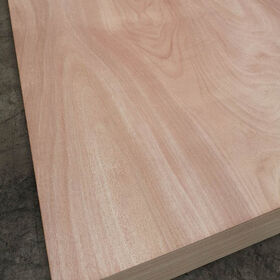
2. Painting 3mm Plywood
Painting 3mm plywood can be a straightforward process when using the right materials. For a smooth finish, it is recommended to use a high-quality acrylic or latex paint. These types of paints are easy to apply, dry quickly, and provide a durable finish suitable for both indoor and outdoor use. Start by applying a thin coat of primer to the 3mm plywood to ensure better adhesion and durability. A bonding primer or one designed for wood surfaces works well for plywood.
Once the primer is dry, apply the paint using a high-quality brush or roller. For a smoother finish, you can use a paint sprayer, which helps avoid brush marks and provides a more even coat. Allow each coat of paint to dry completely before applying additional layers, especially if you need full coverage. Typically, 2 to 3 coats are needed to achieve a professional-looking result. After the final coat, you can also apply a clear topcoat to protect the painted surface from wear and tear.
3. Staining 3mm Plywood
Staining 3mm plywood allows you to highlight the natural wood grain and create a rich, warm appearance. Staining is particularly popular for furniture projects, where the natural look of the wood is desired. To begin, choose a wood stain that complements the type of wood used in the plywood. For example, lighter stains work well with softwoods, while darker stains may be better suited for hardwood plywood.
As with painting, sanding and cleaning the surface is the first step. Apply the stain evenly with a clean cloth or brush, following the grain of the wood to avoid streaks. After applying the stain, you can use a cloth to wipe away any excess and achieve a more even color. Depending on the intensity of color you want, you can apply additional coats of stain, allowing each layer to dry completely before adding more.
Once the stain has dried, you may wish to apply a protective finish, such as a clear polyurethane, to seal the wood and enhance its durability. This step is particularly important if the 3mm plywood will be exposed to moisture or heavy use, such as in furniture or cabinetry.
4. Tips for Best Results
To get the best results when painting or staining 3mm plywood, consider these additional tips:
- Use high-quality materials: Choose the best paint, stain, and finishing products for optimal results.
- Apply thin layers: Whether painting or staining, applying multiple thin layers provides a smoother finish than one thick coat.
- Test before application: Always test the paint or stain on a scrap piece of 3mm plywood to ensure it achieves the desired effect.
- Ventilate the area: Work in a well-ventilated area to avoid inhaling fumes from paints and stains.
Conclusion
In conclusion, 3mm plywood can indeed be painted or stained easily, offering flexibility for a wide range of projects, from furniture making to interior decor. By properly preparing the surface and using the right materials, you can achieve a beautiful, durable finish that enhances the natural beauty of the wood. Whether you are looking to paint for a bold, vibrant look or stain for a natural wood finish, 3mm plywood offers an excellent canvas for your creative ideas. For those sourcing 3mm plywood, platforms like Global Sources offer a variety of options from verified suppliers across the globe, helping you find quality materials at competitive prices for your next project.