

B2B Marketing Firms Collaborate With Sales Teams
For B2B businesses looking to grow sustainably, it is critical for marketing and sales teams to work together effectively. Yet, the relationship between these departments can sometimes be strained by misalignment of goals and objectives. In this week’s AmplificaCast, Lars-Johan Bjorkevoll from ScaleupXQ discusses key strategies that are necessary to turn sales and marketing from competing entities into routine collaborators.
One of the key steps in this process involves establishing protocols for sharing critical insights and data for b2b marketing firm. Ideally, this should be an ongoing and consistent effort that is based on a service level agreement (SLA) and regular check-ins between the teams. This provides transparency and accountability, reduces the risk of misunderstanding or assumptions, and facilitates continuous improvement.
In addition, effective collaboration between teams requires open communication and a culture of mutual respect and trust. This is especially important during times of change, as it can be challenging to adjust to new processes and procedures that may initially seem unfamiliar or daunting. However, it is essential to foster a collaborative environment that allows both teams to share their experiences and best practices in order to develop an effective process that is adapted to the needs of each individual business.
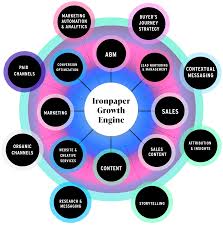
How Do B2B Marketing Firms Collaborate With Sales Teams?
Another area where collaboration between marketing and sales is vital is in the process of creating content. For example, a marketing team should be involved in the creation of product and company content, as well as blog posts that address common customer questions and pain points. This approach allows the marketing team to create engaging and relevant content that is aligned with the brand’s sales and growth strategy. It also enables the marketing department to gain valuable insight into customer behavior and how prospects interact with the brand, which can then be used to further refine messaging and campaigns.
It is also important to make sure that both teams have access to the same data and metrics. This can be achieved by implementing systems that allow both departments to track lead and customer engagement metrics, as well as performance against KPIs. This enables each team to identify trends and areas for improvement, and it provides a clear picture of the overall effectiveness of the business’s growth strategies.
Finally, when it comes to physical events, collaboration between sales and marketing is crucial. This includes determining the most effective ways to nurture leads, set up meetings with qualified prospects, and execute strategies during these events. This process allows each team to leverage their expertise and experience to create a unified event that will provide maximum value for the prospect or customer, as well as for the organization’s internal team.
Lars-Johan argues that a unified approach to marketing and sales is essential for any business looking to drive sustainable growth. By collaborating on marketing strategies and aligning metrics, both departments can shift from being rivals to routine collaborators, resulting in a more seamless and efficient process for converting prospects into customers and driving growth across the entire organization.